Deciphering How National Statutes Steer Real-Time Bonus Selections Across Swedish Digital Wagering Sites
Theo Lange · Oct 8, 2026
Deciphering How National Statutes Steer Real-Time Bonus Selections Across Swedish Digital Wagering Sites
Swedish national statutes have shaped the framework for real-time bonus selections on digital wagering sites since the re-regulation that took effect in 2019, and those rules continue to guide operator practices into October 2026. The Gambling Act establishes clear boundaries on how platforms may present and deliver bonuses during live sessions, requiring systems to verify player eligibility before any offer appears on screen. Operators must integrate these checks into their software so that bonus selections update only after confirmation that no prior bonus has been claimed by the same account within the permitted period.
Core Provisions in the Gambling Act
National legislation limits each player to a single bonus across an operator's entire portfolio, which means real-time systems cannot trigger additional incentives once that threshold is reached. Data from the Swedish Gambling Authority shows that platforms log every bonus activation in a central registry, and this record feeds directly into the algorithms that decide whether a live offer displays during an ongoing betting session. Because the statute demands transparency, every bonus must carry identical terms whether it appears in a pop-up during a football match or in a static menu, and the wording must remain unchanged throughout the session.
Real-Time Technical Requirements
Digital wagering sites therefore embed compliance modules that scan account history in milliseconds before any bonus selection becomes visible. When a player places a live bet, the platform cross-references the national registry and withholds the offer if the account already holds an active bonus; this process occurs automatically and without manual intervention. Observers note that software updates rolled out in 2025 refined these checks to handle higher traffic volumes during major sporting events, ensuring the system stays synchronized with the central database even under peak load.
Impact on Player Interactions
Those who navigate Swedish-regulated sites encounter bonus options that appear only when statutes permit, and the timing of these displays follows strict parameters set by the authority. Research indicates that operators who fail to enforce the single-bonus rule face license reviews, which has prompted many platforms to develop predictive filters that anticipate regulatory queries before they arise. In practice this means a player browsing live casino tables or sports markets sees offers that reflect their verified status rather than generic promotions.
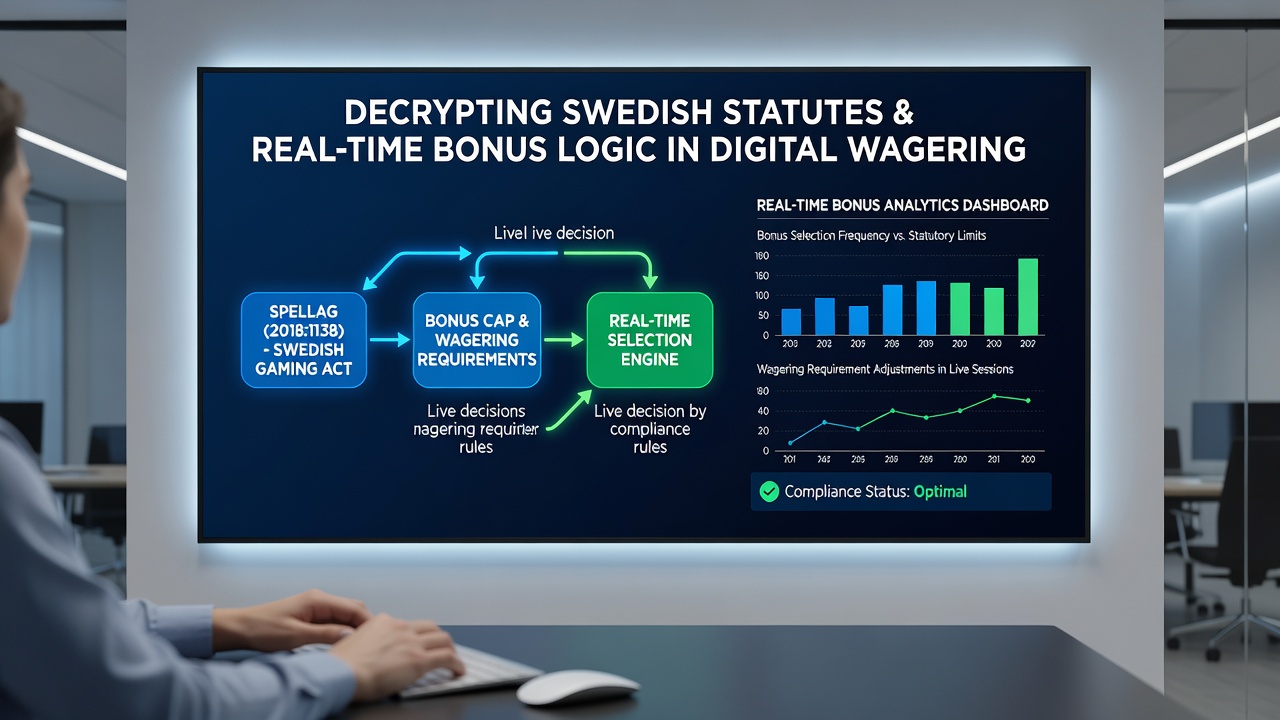
Figures released by industry monitoring groups reveal that the proportion of sessions featuring compliant bonus displays rose steadily through 2025 and into October 2026, reflecting tighter integration between operator databases and the national oversight system. Platforms now route every bonus decision through an audited pathway that records the exact moment the offer was generated and the data points used to approve it.
Cross-Border and EU Influences
Although Swedish statutes remain the primary driver, operators also align their systems with broader European standards on consumer protection and data handling. Reports from the European Commission on digital services highlight how national rules interact with cross-border data flows, and Swedish platforms incorporate these considerations when designing real-time bonus engines. This layered approach ensures that bonus selections comply with both domestic law and wider EU expectations regarding fairness and transparency.
Academic studies conducted at institutions across Scandinavia have examined the effects of these combined requirements on user behavior, and the findings show measurable shifts in how players engage with live features once bonus availability is restricted. The data underscores that platforms must maintain audit trails for every real-time decision, allowing regulators to reconstruct the sequence of events leading to any particular offer.
Conclusion
Swedish national statutes continue to dictate the parameters within which digital wagering sites may present real-time bonuses, and the technical infrastructure supporting these decisions has matured considerably by October 2026. Operators maintain constant synchronization with central registries, while players encounter offers that reflect verified eligibility under the single-bonus rule. The combination of statutory limits, automated compliance checks, and documented audit trails creates a structured environment where bonus selections unfold according to predefined legal requirements rather than discretionary platform choices.