Decoding Connections Between National Statutes and Strategic Bonus Use in Online Casino Selections on Major Digital Platforms
Theo Lange · Sep 10, 2026

Decoding Connections Between National Statutes and Strategic Bonus Use in Online Casino Selections on Major Digital Platforms
National Statutes Shape Bonus Structures
National statutes establish the legal frameworks that determine how online casino operators may design and distribute bonuses across major digital platforms, and these rules directly influence the strategies players adopt when selecting sites for play. Researchers have documented that variations in licensing requirements, wagering obligations, and player protection measures create distinct environments where bonus terms differ substantially from one jurisdiction to another. Data from regulatory filings show that operators adjust maximum bonus amounts, eligibility criteria, and redemption windows to comply with local laws while maintaining competitive appeal on global platforms.
Observers note that countries with strict consumer protection statutes often impose caps on deposit match percentages and enforce minimum playthrough thresholds, whereas regions with more permissive frameworks allow higher value offers with fewer restrictions. This regulatory patchwork means players who examine statute language before account creation can identify platforms that align bonus conditions with their preferred risk profiles and session lengths. Figures from industry reports indicate that compliance adjustments in 2025 led to measurable shifts in bonus availability on leading sites, with operators reallocating promotional budgets toward jurisdictions that permit flexible terms.
Strategic Player Adaptations to Regulatory Differences
Players frequently review statute summaries and platform licensing details to time their bonus selections around rule changes, and this approach becomes particularly relevant ahead of scheduled updates in September 2026 when several jurisdictions plan to revise bonus disclosure standards. Those who study these timelines can position themselves on platforms that anticipate the new requirements by offering transitional promotions that satisfy both current and forthcoming rules. Evidence from compliance audits reveals that operators on major platforms publish updated terms weeks in advance, giving attentive users the chance to lock in existing bonus structures before modifications take effect.
Take one analysis conducted by a European research consortium that examined player behavior across regulated markets and found that individuals who cross-reference national statutes with bonus fine print achieved higher completion rates on wagering requirements than those who selected offers without such review. The study highlighted how statutes governing bonus expiration and game contribution percentages guide platform choices, since certain titles contribute differently toward playthrough depending on the licensing authority involved. Similar patterns appear in North American and Asia-Pacific markets where provincial and state laws create comparable decision points for users navigating multiple platforms.
Platform Responses and Compliance Mechanisms
Major digital platforms implement automated compliance tools that enforce statute-specific bonus rules at the point of offer display, and these systems reduce the likelihood of players encountering ineligible promotions. According to reports from the Australian Communications and Media Authority, platforms serving that market must display jurisdiction-specific terms before bonus activation, which in turn shapes how users compare offers across international sites. In Canada, provincial iGaming authorities require clear separation of bonus funds from deposit balances, a rule that affects withdrawal strategies and prompts players to select platforms with transparent fund tracking features.
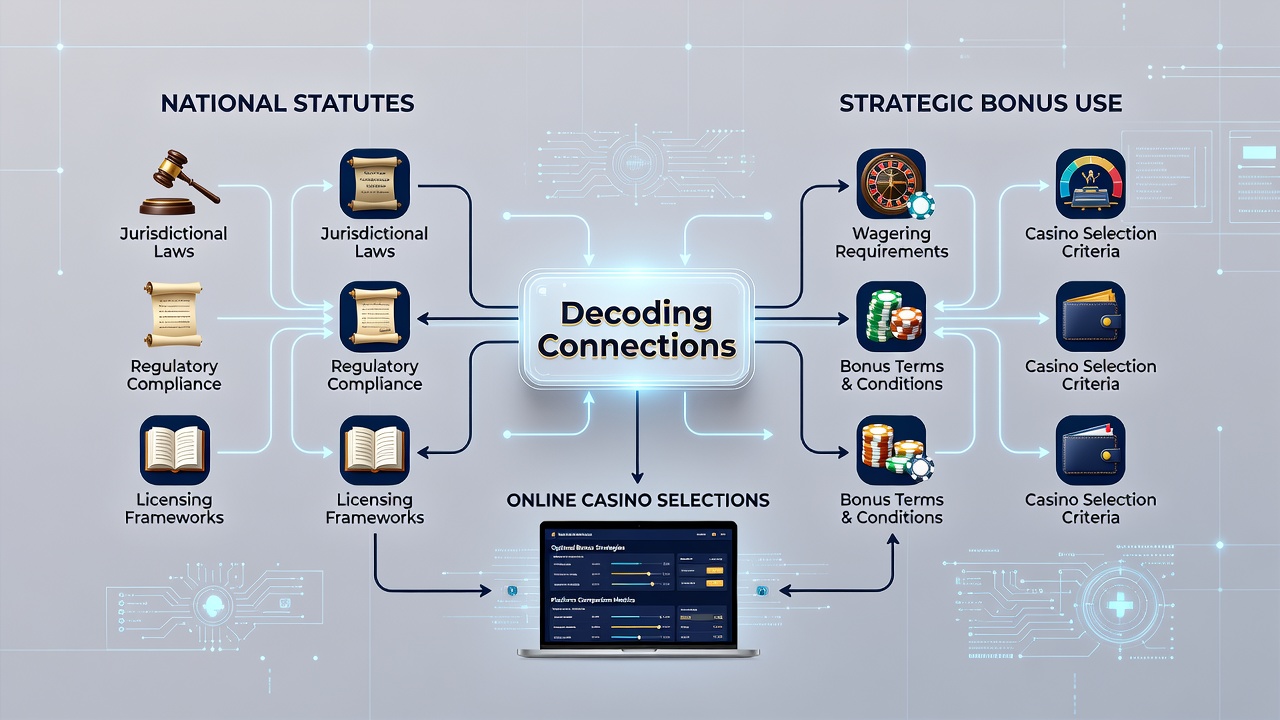
Industry organizations such as the European Gaming and Betting Association have compiled data showing that platforms investing in statute-mapping software experience fewer regulatory interventions and maintain steadier bonus offerings. Those platforms often surface filters that let users sort bonuses by regulatory origin, allowing selections based on preferred statutory conditions rather than headline amounts alone. Research indicates this functionality correlates with longer user retention because players can consistently locate offers that match their understanding of local rules.
Cross-Border Considerations in Bonus Selection
Statutes that govern cross-border access add another layer to strategic decisions, since some national laws restrict bonus participation for users outside the licensing jurisdiction while others permit it under specific conditions. Data from academic studies on digital gambling behavior show that players who verify residency and licensing alignment before engaging with bonuses avoid account restrictions that could nullify accumulated rewards. Platforms respond by displaying clear eligibility banners tied to statutory requirements, and users who incorporate these notices into their selection process report fewer interruptions in bonus cycles.
What's interesting is how statutes addressing responsible gaming tools intersect with bonus mechanics, because many jurisdictions mandate that operators provide options to exclude bonuses entirely or set spending limits that affect promotional eligibility. Observers tracking these developments note that platforms on major networks now integrate statute-driven toggles directly into account dashboards, giving players immediate visibility into how national rules shape available offers. This integration supports more deliberate selections without requiring separate legal research for each platform visit.
Conclusion
National statutes continue to define the parameters within which online casino bonuses operate on major digital platforms, and the connections between these laws and player strategies remain evident in selection patterns documented across multiple markets. Regulatory updates scheduled for September 2026 are expected to introduce further refinements to disclosure and eligibility standards, prompting continued adaptation by both operators and users. Those who monitor statute language alongside platform features maintain access to promotions that reflect current legal realities while supporting consistent play experiences.