Regulatory Impacts on User Strategies Across Swedish Digital Wagering Platforms
Klara Peters · Sep 10, 2026
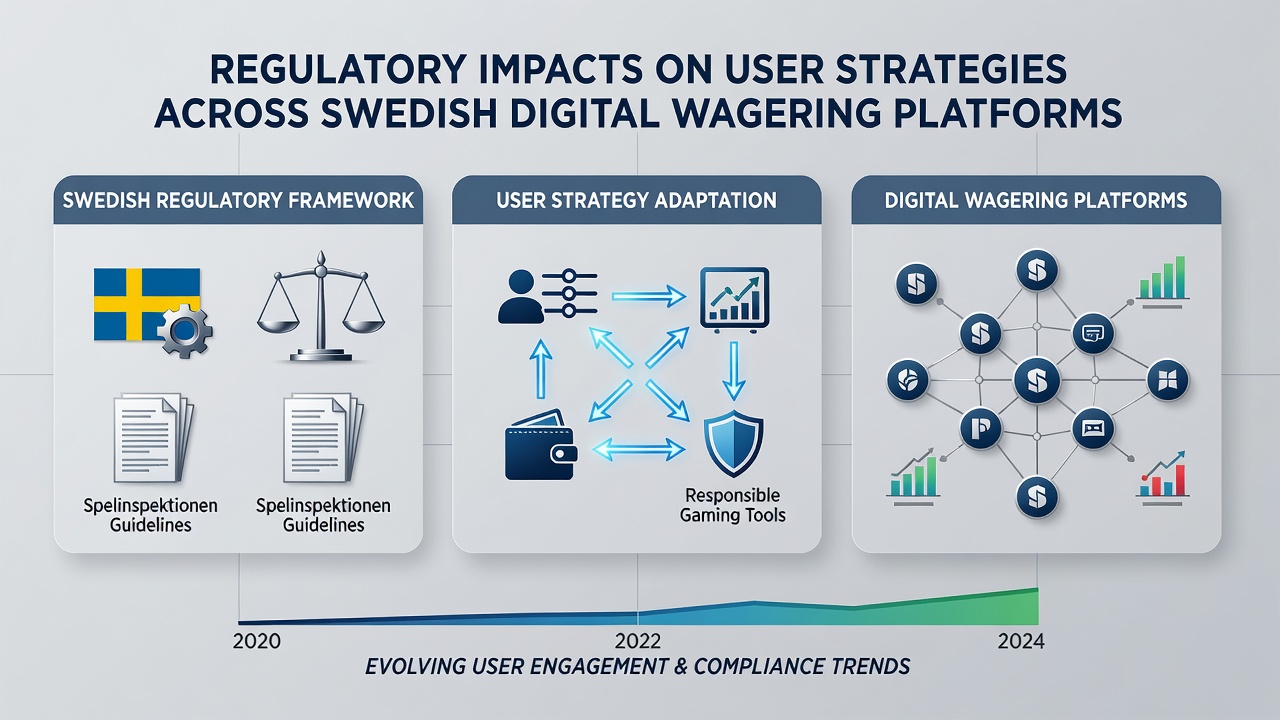
Regulatory Impacts on User Strategies Across Swedish Digital Wagering Platforms
Swedish digital wagering platforms function under oversight from Spelinspektionen, and these rules directly influence how users manage deposits, verifications, and session planning across licensed operators. Data from the authority indicates that licensing requirements introduced in 2019 prompted shifts in payment method selections, with users increasingly favoring bank transfers and e-wallets that integrate mandatory identity checks. And while initial adjustments created temporary barriers, many participants developed routines around pre-verified accounts to streamline access once September 2026 compliance updates take effect.
Payment Method Adaptations Under Licensing Rules
Regulations mandate that all transactions route through approved channels, which leads users to prioritize methods tied to Swedish banks or verified digital services. Observers note that restrictions on credit card use for deposits have encouraged reliance on instant bank payments, and this pattern appears in usage statistics released by the regulator. Research indicates that operators must report transaction volumes quarterly, so platforms display clearer fee disclosures that help users calculate costs before committing funds. Those who studied these requirements often discover that combining multiple smaller transfers avoids single-transaction flags, yet this approach requires advance planning around weekly limits enforced across sites.
Verification Processes and Account Management
Identity verification timelines affect how frequently users open new accounts or switch platforms, since each operator demands separate document uploads for age and address confirmation. Figures reveal that average completion times range from one to three days, prompting strategies that include maintaining active profiles on two or three sites simultaneously. And because Spelinspektionen audits these procedures regularly, users incorporate buffer periods into their activity calendars to avoid interruptions during high-interest events. Spelinspektionen guidelines outline the exact documentation standards, which allows participants to prepare scans in advance and reduce processing delays.

Session Planning and Limit Setting Behaviors
Mandatory loss and deposit limits set at the platform level require users to review and adjust thresholds periodically, often aligning them with monthly income cycles. Studies found that those who set conservative daily caps early in the month maintain longer account activity without triggering automatic pauses. What's interesting is how September 2026 introduces enhanced reporting on limit overrides, which may encourage more precise forecasting tools within user dashboards. Researchers discovered that integration of these tools with banking apps helps track cumulative spending across multiple platforms, and this cross-site visibility reduces the chance of exceeding combined thresholds.
Operators must display real-time balance updates after each wager, so users develop habits of checking progress mid-session rather than at the end. And data shows this transparency correlates with fewer voluntary self-exclusions initiated mid-month, because participants gain better awareness before reaching predefined boundaries.
Cross-Platform Movement and Data Sharing Effects
Centralized player registers maintained under national rules allow operators to share exclusion and limit data, which changes how individuals approach platform hopping. People often find that attempting to bypass one site's restrictions through another becomes impractical once records update within hours. According to reports from the European Commission on digital single market gambling frameworks, similar coordination exists in neighboring jurisdictions, providing comparative context for Swedish implementations. This setup leads users to consolidate activity on fewer sites where they have already completed full verification cycles.
Tax reporting obligations on winnings above certain thresholds further shape record-keeping practices, with many downloading transaction histories automatically each quarter. Observers note that integration of these downloads into personal finance software simplifies annual filings while maintaining compliance with revenue authority requirements.
Conclusion
Swedish regulatory structures continue to guide user approaches to digital wagering through verification mandates, transaction limits, and data-sharing protocols, and September 2026 updates will likely reinforce these patterns. Users respond by refining payment sequences, maintaining verified profiles, and aligning session parameters with official thresholds. The result is a landscape where strategic planning centers on compliance efficiency rather than circumvention, supported by transparent reporting from Spelinspektionen and aligned industry sources.